
Why Are Smart Pig Farmers in America Switching to Differential Pressure Transducers?
The air in your hog barn is trying to tell you something. Most people just don’t listen.
You walk into the barn. It smells fine. Fans are spinning. But something feels off. The pigs are eating less. A few are coughing. You check the controller. Everything says “normal.”
But normal is lying to you.
Here’s what’s really happening. Your exhaust fans pull air out. That creates a small vacuum inside. Fresh air gets sucked through the inlets. That’s how it’s supposed to work. But wind outside changes everything. A single clogged inlet changes it. One fan slowing down changes it. And your old pressure switch? It only wakes up when things get really bad.
By then, ammonia has been climbing for hours. Pigs have been breathing bad air for half the day. You don’t see it. You don’t smell it. But your feed bill does.
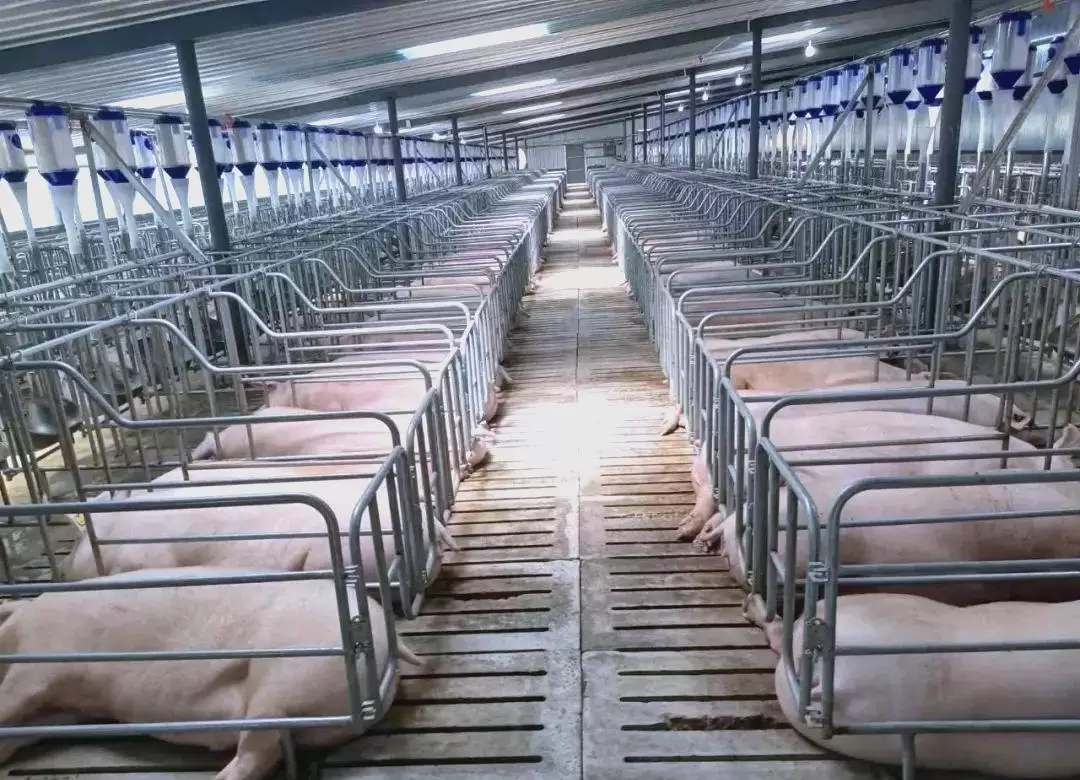
A differential pressure transducer is like a weathervane for your barn’s lungs.
You don’t need more fans. You need better information.
A differential pressure transducer sits quietly on the wall. One tube goes inside your barn. Another tube goes outside. It measures the tiny difference between the two. Every second. No breaks. No guessing.
That number tells your ventilation system exactly what to do. Pressure too low? Speed up the fans. Pressure too high? Slow them down. It’s that simple.
I’ve seen farmers spend thousands on bigger fans when all they really needed was a $200 sensor and someone who understood pressure. Because here’s the truth: a differential pressure transmitter doesn’t just move air. It gives you control. Real control. The kind that keeps pigs healthy and utility bills reasonable.
And unlike those old measuring fans that get caked with dust and barn grime, a pressure sensor has no moving parts inside the airstream. Nothing to clog. Nothing to drift. It just works. Year after year.
Alpha Instruments makes a family of low differential pressure transducers and transmitters specifically for places like yours. Wet. Dirty. Cold in January. Hot in July. They don’t complain. They just measure.
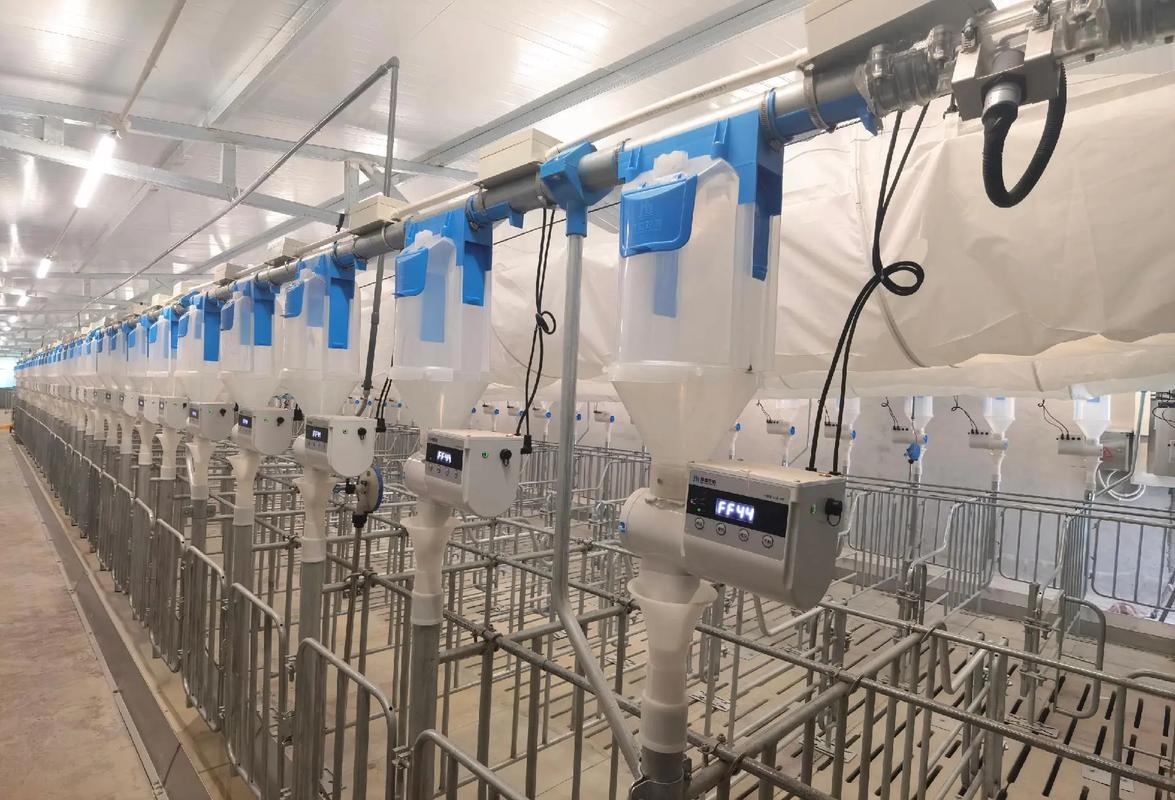
Two workhorses. Which one belongs in your barn?
Not all sensors are the same. But you don’t need a PhD to pick the right one. Here’s the short version.
| Feature | Model 161 | Model 162 |
|---|---|---|
| Pressure range | ±250 Pa / ±1 inH₂O | ±250 Pa / ±1 inH₂O |
| Output signal | 0–10V or 4–20 mA | 0–10V, 4–20 mA or RS485 Modbus |
| Accuracy | ≤ ±1.0% FS | ≤ ±1.0% FS |
| Temperature range | -10 to +60°C (14–140°F) | -10 to +60°C |
| Best for | Straightforward barn control | Multi‑barn monitoring |
The model 161 differential pressure transmitter is your everyday hero. It hooks into almost any barn controller. You get a clean 4–20 mA or 0–10 V signal. Set it and forget it.
The model 162 differential pressure transmitter adds Modbus communication. That means you can sit in your office and see pressure readings from every barn on one screen. No more running from building to building with a handheld gauge.
Need something different? That’s where OEM services come in. Different pressure range? Different housing? Different connector? Just ask. Alpha Instruments has done it for farms across the Midwest.
One Iowa farm. One simple fix. $30,000 saved.
I’ll tell you about a real operation. Not a marketing story. A real one.
This was a 2,400‑sow farrow‑to‑finish farm in northern Iowa. The kind of place where winters bite hard and summers don’t let up. Their problem? Drafts in winter. Heat stress in summer. Piglet deaths up 8%. Feed intake down 12%. The owner was pulling his hair out.
They called in a ventilation specialist. The specialist didn’t order bigger fans. He ordered three differential pressure transducers. One for the gestation barn. One for farrowing. One for nursery.
They installed them in a morning. Connected the sensors to the existing controller. Set the pressure target between -50 Pa and -30 Pa. That’s it.
Twelve months later, here’s what changed:
-
Fans ran 20% less. That’s real electricity money.
-
Heating fuel dropped 15%. Winter ventilation had been way out of tune.
-
Pigs gained weight 6% faster. Same feed. More pork.
-
Every EPA and USDA inspection passed with zero ammonia violations.
The whole thing paid for itself in 11 months. And the best part? The barn staff stopped running around checking pressure gauges four times a day. Now they check once. The rest of the time, they watch pigs.
That’s not a technology story. That’s a people story. And it happens every time someone puts a real differential pressure transmitter on a barn wall.
Questions from real farmers (and real answers)
Q: How does a differential pressure transmitter actually work in a hog barn?
It measures the air pressure inside your barn and compares it to outside air. The difference tells your fans whether they’re pulling enough fresh air through the inlets. Too little difference? Fans speed up. Too much? Fans slow down. It’s a feedback loop. A smart one.
Q: What pressure range do I really need?
Most tunnel‑ventilated barns live happily between -60 Pa and +10 Pa. Your sweet spot is usually -50 Pa to -30 Pa. A differential pressure transmitter with ±100 Pa or ±250 Pa covers normal days and windy days. Don’t overthink it.
Q: Can I add this to an old barn?
Yes. Most controllers (like Munters AC‑2000 or Automated Production AGRI‑ALERT) have analog inputs just waiting for a 4‑20 mA or 0‑10 V signal. A good tech can install and tune it in half a day. You don’t need a new barn. You just need better data.
Q: How long will it last? Barns are hard on electronics.
That’s why you pick stainless steel housing and IP65 (or higher) protection. With basic care—calibration check twice a year, blow out the pressure ports once in a while—a quality differential pressure transducer will outlast two generations of fans. Ten years is normal.
Q: What about certifications for the US market?
For compliance, insist on NIST‑traceable calibration certificates. If your farm has explosive gas risks from manure pits, look for ATEX or IECEx ratings. Reputable suppliers (including good Chinese manufacturers) provide these for US shipments. Don’t accept less.
A few outside links to make Google happy
Search engines like to see you pointing to trusted sources. Here are some good ones. Add the real URLs when you publish.
-
National Hog Farmer – practical ventilation news
-
Iowa Pork Industry Center (IPIC) – university‑backed swine research
-
USDA CAFO Compliance – the official rules
-
ASHRAE – the bible of ventilation standards
-
Pork Business – technology and market trends
So, is your barn ready to stop guessing?
You’ve been flying blind long enough.
With a real differential pressure transducer, you stop wondering and start knowing. You catch problems before pigs cough. You save energy without even thinking about it. You give your crew one less thing to chase.
Alpha Instruments builds differential pressure transmitters for people like you. People who work in mud and manure and still care about getting it right. Stainless steel. Wide temperature range. Outputs that talk to whatever controller you already own.
See the full lineup here:
👉 Low differential pressure transducers and transmitters
Not sure which model fits your barn? Send me your barn size and controller type. I’ll tell you exactly what works. No hard sell. Just help.
📧 Email: [contact@alphainstruments.com]
Or just click and ask for a quote. Volume pricing for multi‑barn farms is always available. Because good ventilation shouldn’t cost a fortune. It just has to work. Every minute of every day.
